Why sandpits still belong in school playgrounds
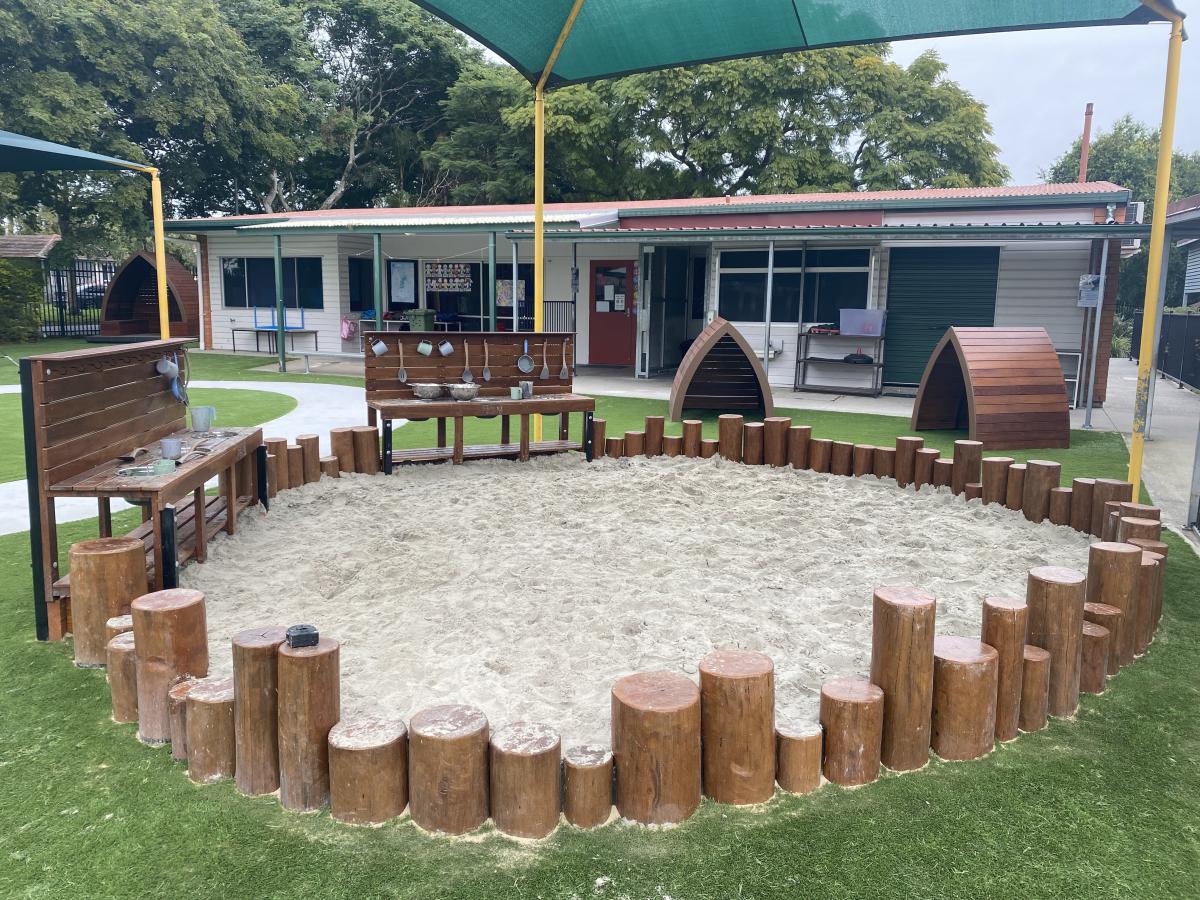
Don’t be tempted to design out the humble sandpit!
In the shift towards low-maintenance playground design, I am concerned there is a risk that something very important might get designed out.
I admit they are messy, but a sandpit should not be regarded as just an extra feature in a playground. It is a space for exploration, creativity, collaboration, and sensory learning.
Unlike fixed equipment, sand does not tell children how it should be used. There is no single right outcome, no set pathway, and no prescribed way to interact with it. That flexibility is exactly what makes it so powerful.
Children can scoop, pour, dig, shape, build, experiment, and imagine. In doing so, they are developing far more than motor skills.
Sensory learning and cognitive development
Sand play gives children a hands-on way to explore texture, volume, cause and effect, and spatial relationships. These simple actions support early problem-solving, coordination, and cognitive development in a way that feels natural and engaging.
Creativity without limits
Loose, natural materials encourage open-ended thinking. A sandpit can become a construction site, a bakery, a landscape, a road network, or something entirely invented. This kind of imaginative play is harder to achieve on fixed equipment designed for one specific use.
Social development
Sandpits naturally invite shared play. Children gather around them, work side by side, negotiate roles, share tools, and build together. These moments help develop communication, cooperation, and social confidence.
Wellbeing and self-regulation
There is also something deeply calming about sensory play. For many children, sand offers a quieter, more grounding experience within a busy school environment. It can create opportunities for focus, regulation, and calm engagement.
What we risk losing
When schools remove or avoid features like sandpits, they are not simply choosing a different material. They may also be reducing opportunities for unstructured, sensory, and imaginative play.
And these are often the very experiences children need most.
Playground design should not be measured only by durability, cleanliness, or how efficiently a space can be managed. It should also be measured by the quality of play it enables.
A well-designed playground creates opportunities for risk, discovery, creativity, connection, and calm. Sandpits contribute to all of these.
If you want to chat about how a sandpit can be retained or added into a new playground for your school, call Andrew on 0466 166 054 or email Andrew@everythingoutside.com.au
Related posts
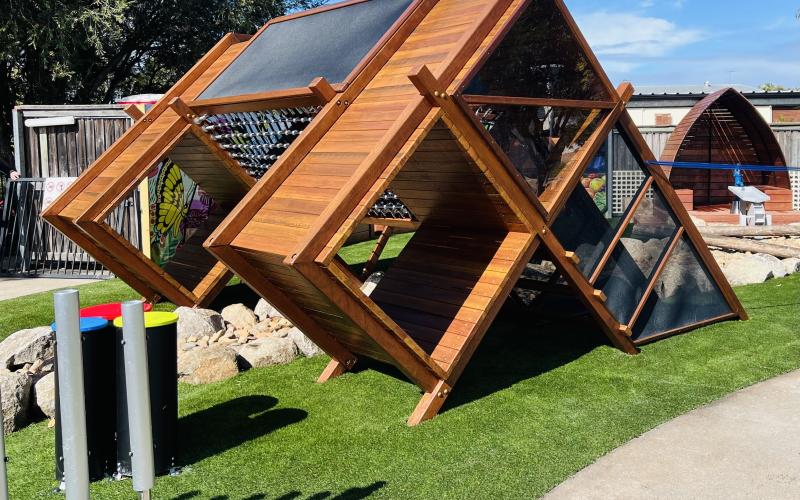
If I ask you to wait, it should give you confidence.
Adventure playgrounds
Inclusive playgrounds
Parkour playgrounds
A long playground pipeline isn’t a warning sign. It’s a vote of confidence. When a school decides it needs a new playground, the first question I often get is:“How quickly can you start?” But perhaps a better question is: “When should we begin planning?”
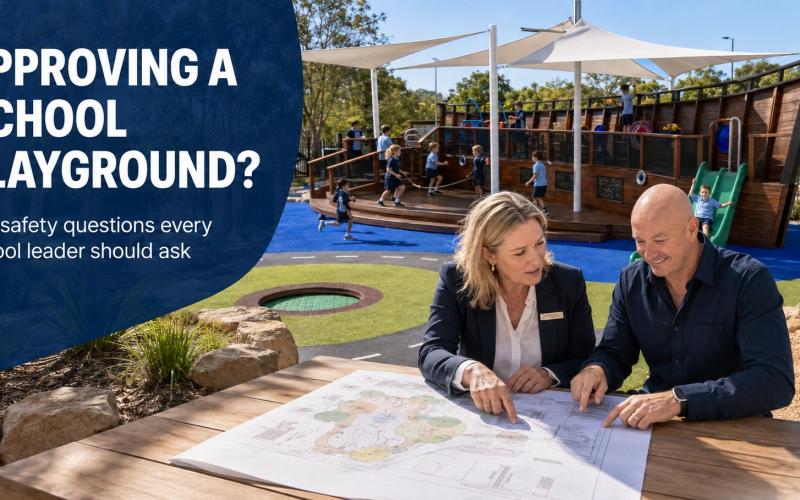
Don’t approve a new playground until you ask these questions
Adventure playgrounds
Inclusive playgrounds
Parkour playgrounds
A school playground proposal can look impressive in a presentation while leaving important issues unresolved. Before approving a design, school leaders should be confident that safety, compliance, supervision and long-term maintenance have been considered by the designer from the beginning—not added as an afterthought.
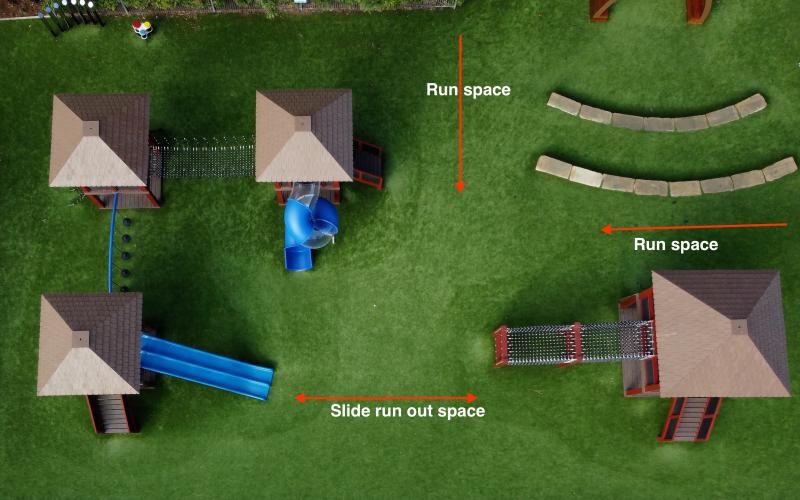
If your playground needs more teachers on duty, is it poorly designed?
Adventure playgrounds
Inclusive playgrounds
Parkour playgrounds
When school playground incidents increase, the usual response is to add another teacher to the duty roster. But is that solving the problem long term—or compensating for the design of the playground?