Our insights.
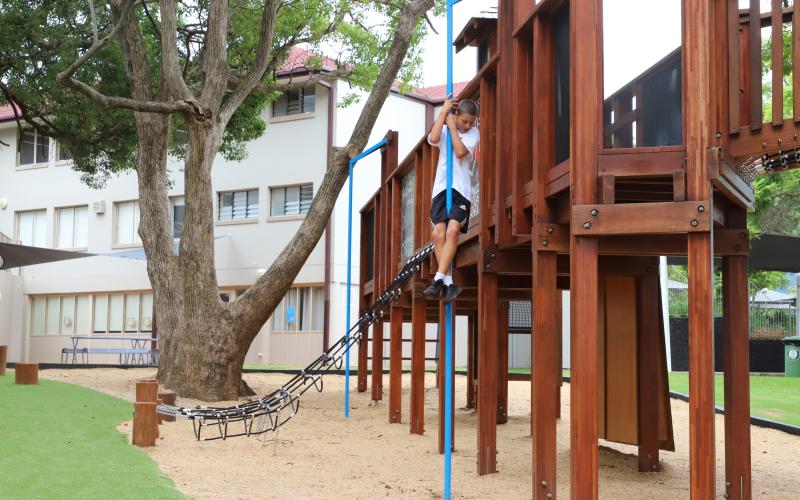
Before you choose playground equipment, finish this sentence…
Adventure playgrounds
Inclusive playgrounds
Parkour playgrounds
“Our new playground needs to help our students…” If you’re a principal or school business manager planning a playground, I’d start there. I totally understand the temptation to jump straight into the exciting part. Towers, slides, rope bridges, water play. Photos of impressive playgrounds. A wish list of everything you’d love to include.
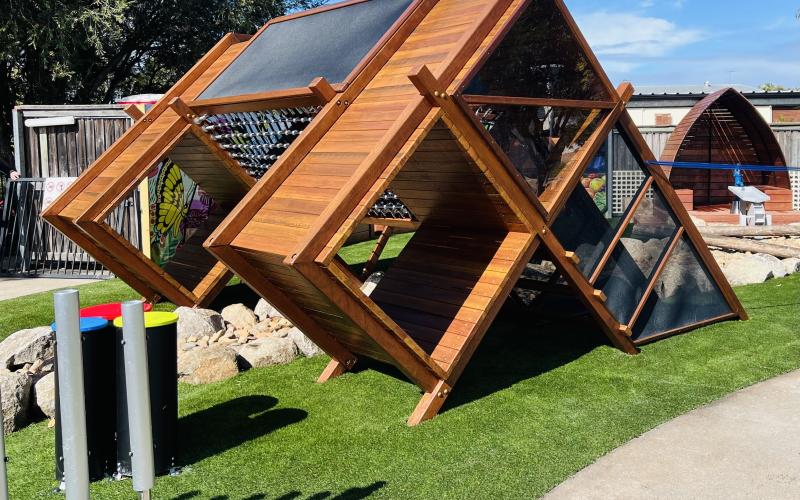
If I ask you to wait, it should give you confidence.
Adventure playgrounds
Inclusive playgrounds
Parkour playgrounds
A long playground pipeline isn’t a warning sign. It’s a vote of confidence. When a school decides it needs a new playground, the first question I often get is:“How quickly can you start?” But perhaps a better question is: “When should we begin planning?”
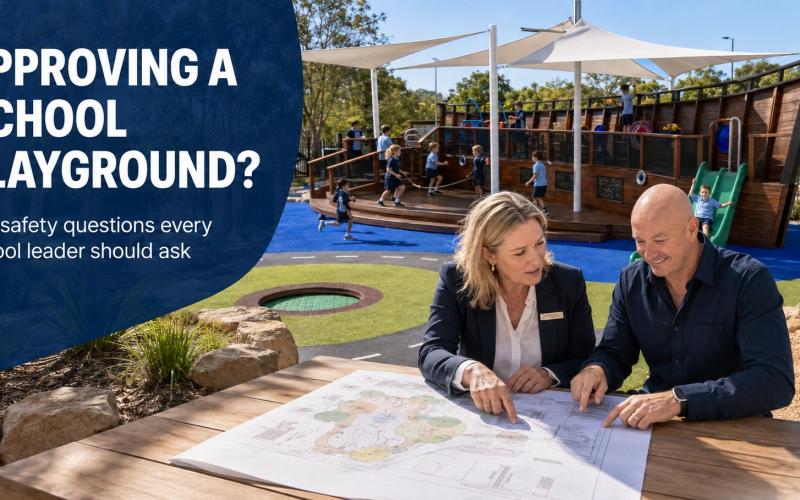
Don’t approve a new playground until you ask these questions
Adventure playgrounds
Inclusive playgrounds
Parkour playgrounds
A school playground proposal can look impressive in a presentation while leaving important issues unresolved. Before approving a design, school leaders should be confident that safety, compliance, supervision and long-term maintenance have been considered by the designer from the beginning—not added as an afterthought.
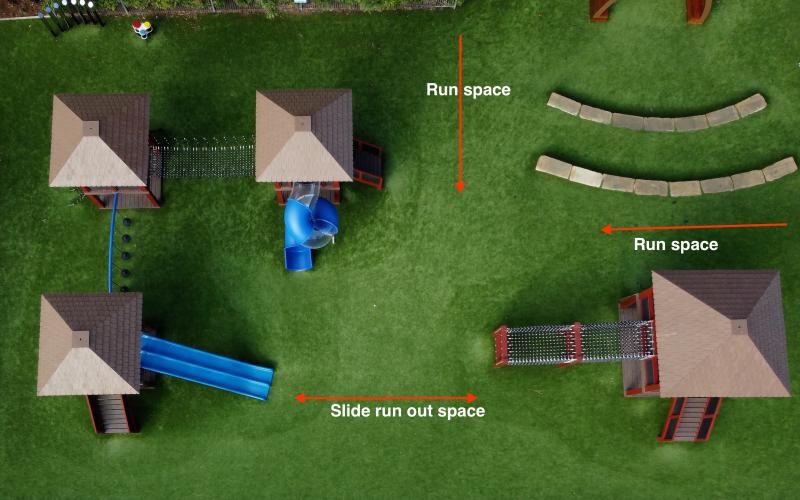
If your playground needs more teachers on duty, is it poorly designed?
Adventure playgrounds
Inclusive playgrounds
Parkour playgrounds
When school playground incidents increase, the usual response is to add another teacher to the duty roster. But is that solving the problem long term—or compensating for the design of the playground?
Could the playground be the reason a parent chooses your school?
Adventure playgrounds
Inclusive playgrounds
Nature play
Outdoor classrooms
Parkour playgrounds
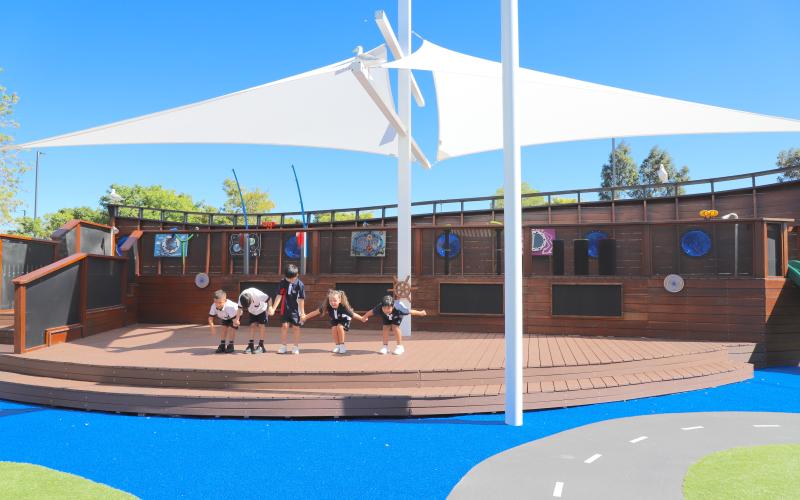
When parents are comparing schools for their prospective Prep child, many of the fundamentals can appear similar. Strong academic programs. Caring teachers. Clear values. Welcoming communities. So, what ultimately swings their decision?
Could grant funding help your school build its next playground?
Adventure playgrounds
Inclusive playgrounds
Nature play
Outdoor classrooms
Parkour playgrounds
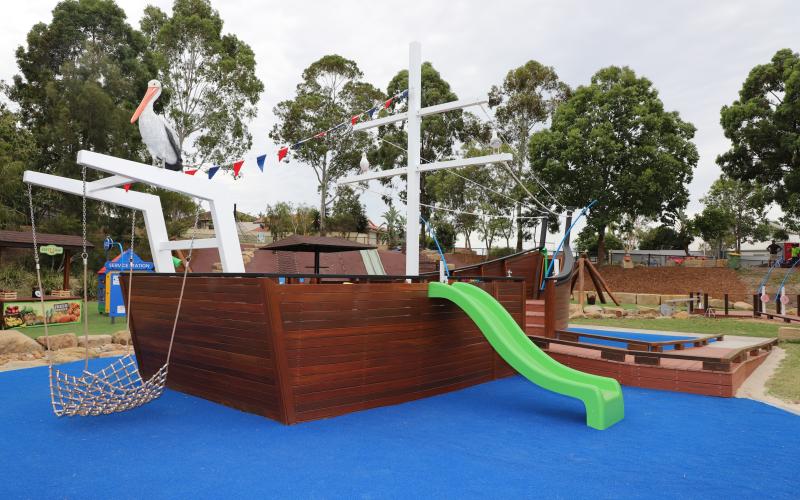
For many schools, the vision for a better playground already exists. The challenge is finding the funding to make it happen. Across Queensland and New South Wales, several government and community grant programs can contribute towards playgrounds, inclusive play spaces, outdoor learning areas and associated infrastructure. However, schools often miss these opportunities because they begin looking for funding before the project has been properly defined.
What does your playground teach?
Adventure playgrounds
Inclusive playgrounds
Nature play
Outdoor classrooms
Parkour playgrounds
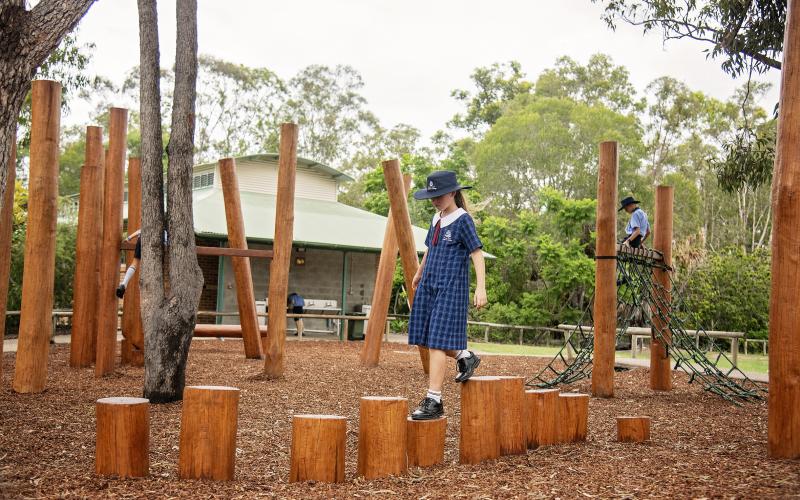
School leaders quite rightly carefully consider what their classrooms communicate about learning, culture and expectations, and there is a growing trend in Queensland that the same consideration is being applied to playgrounds.
5 mistakes schools make when planning a new playground
Adventure playgrounds
Inclusive playgrounds
Nature play
Outdoor classrooms
Parkour playgrounds
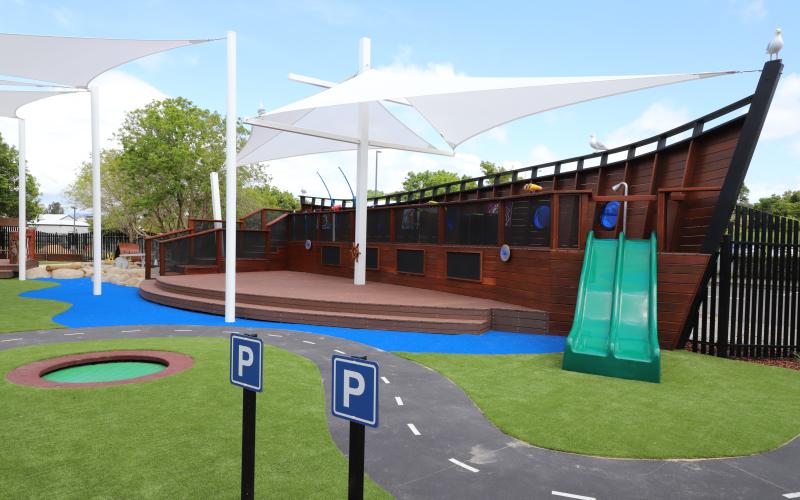
A new playground is one of the most exciting capital projects a school can undertake. Done well, it becomes a place where children build confidence, develop friendships, challenge themselves physically and create lasting memories. However, after working with schools across Queensland and New South Wales, we’ve seen that many playground projects encounter the same avoidable issues.
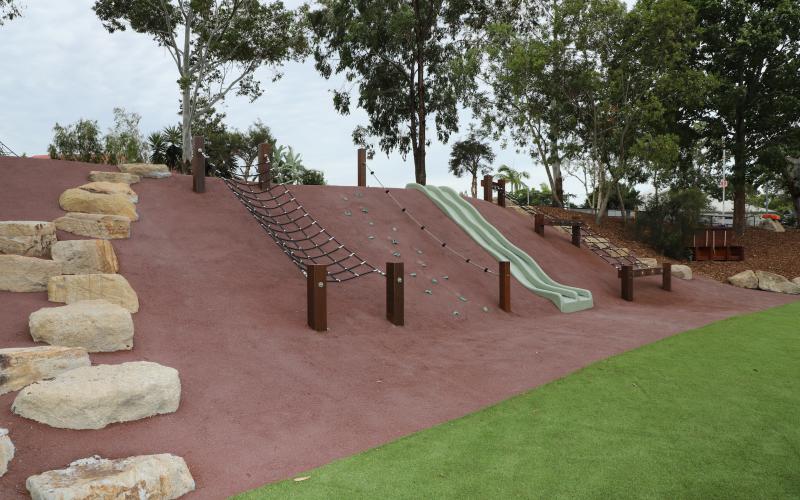
Slopes can be a design plus for playgrounds
Adventure playgrounds
General Landscaping
Inclusive playgrounds
Nature play
When it comes to playground design, a sloped site is often seen as a challenge. However, with the right approach, slopes can become one of the most valuable features of a school playground or nature play area. Rather than flattening the land, Everything Outside’s designers often use natural levels to create exciting, engaging, and cost-effective play spaces.
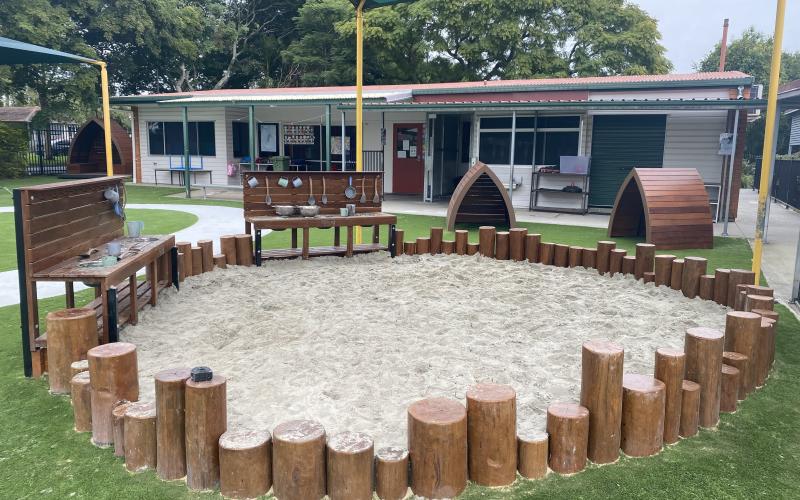
Why sandpits still belong in school playgrounds
Inclusive playgrounds
Nature play
In 2026, the most forward-thinking schools in Queensland and New South Wales are reimagining their playgrounds — not as break-time extras, but as essential learning and wellbeing environments. The trends we are seeing across independent, faith based and public schools reflect a clear shift: playgrounds are becoming strategic assets that support inclusion, compliance, enrolments and long-term value.
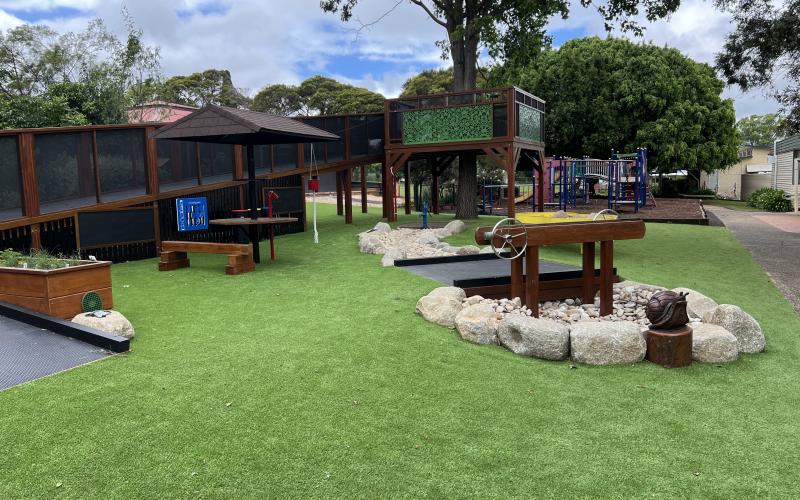
Top 5 playground trends shaping Qld and NSW schools in 2026
Adventure playgrounds
Inclusive playgrounds
Nature play
Outdoor classrooms
Parkour playgrounds
In 2026, the most forward-thinking schools in Queensland and New South Wales are reimagining their playgrounds — not as break-time extras, but as essential learning and wellbeing environments. The trends we are seeing across independent, faith based and public schools reflect a clear shift: playgrounds are becoming strategic assets that support inclusion, compliance, enrolments and long-term value.
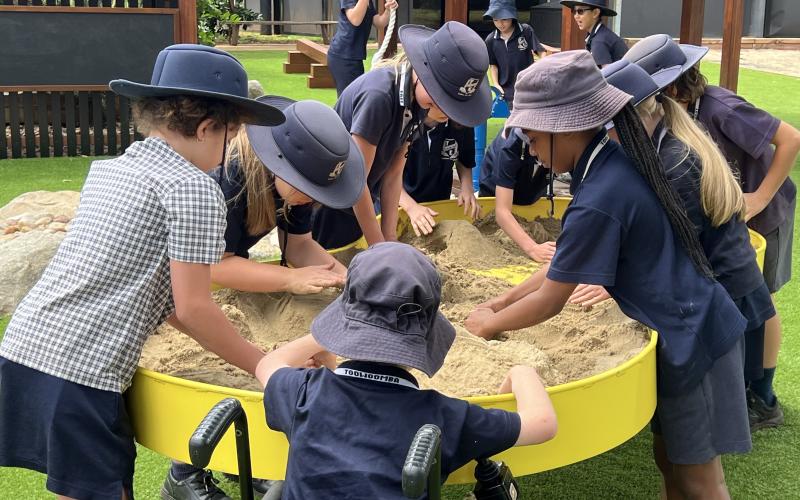
The power of an inclusive playground
Adventure playgrounds
Inclusive playgrounds
Nature play
There’s a special kind of magic that happens when every child can play side by side at school. There’s the collective laughing, exploring, and creating memories together without barriers. For me, that’s the true power of an inclusive playground.