Before you choose playground equipment, finish this sentence…
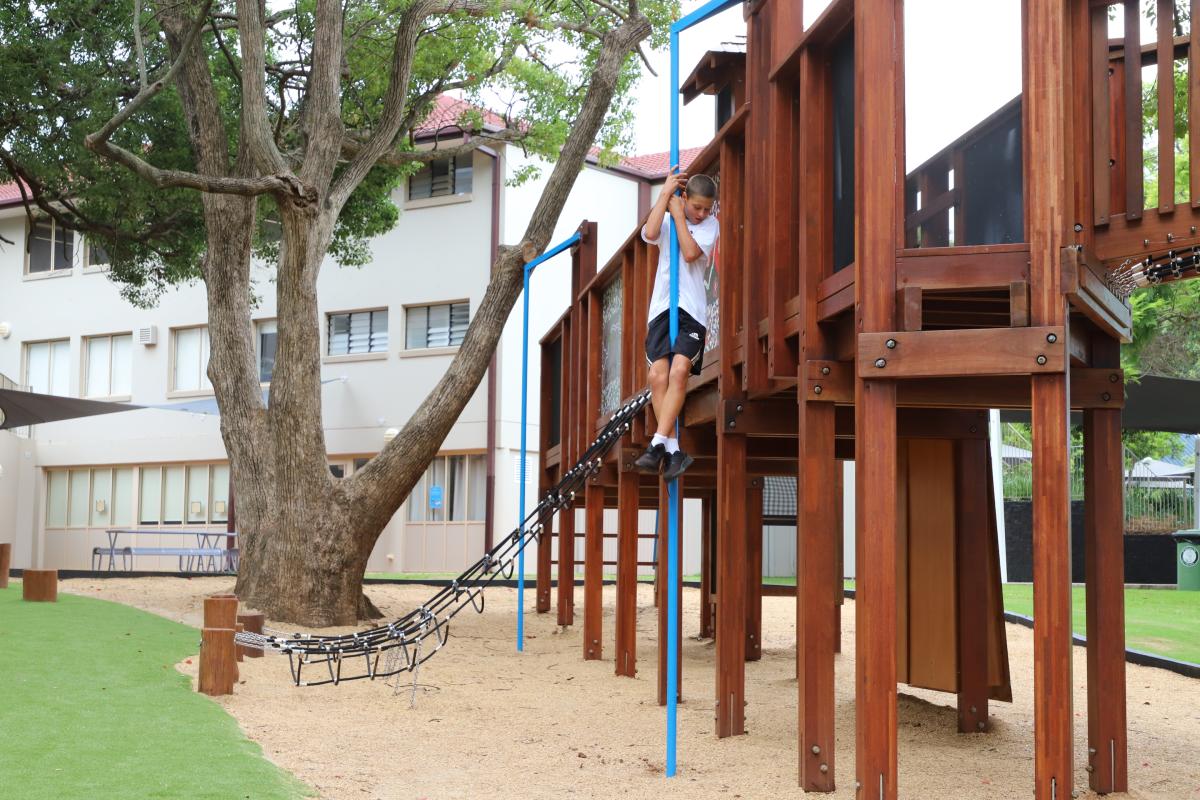
“Our new playground needs to help our students…”
If you’re a principal or school business manager planning a playground, I’d start there.
I totally understand the temptation to jump straight into the exciting part. Towers, slides, rope bridges, water play. Photos of impressive playgrounds. A wish list of everything you’d love to include.
But the most useful question comes before anything is drawn.
What do you want this playground to achieve for your students?
The answer will then give every design decision a real purpose.
Tip 1: start with what is missing at playtime
Your school may already have a busy playground but that doesn’t necessarily mean every student has somewhere they want to play.
The confident climbers may have plenty to do, but the younger children may be struggling to find a starting point.
There might be room to run, but very little opportunity for imaginative play.
Maybe children who want a quieter lunchtime have nowhere comfortable to retreat.
Or one popular piece of equipment attracts a long queue while the rest of the playground sits almost empty.
These observations are valuable because they help turn “we need a new playground” into a brief that a designer like myself can work with.
“Our new playground needs to help our students build confidence.”
“Our new playground needs to help children of different abilities play together.”
“Our new playground needs to give our younger students more opportunities to imagine, experiment and create.”
Each of those statements will lead to a different design.
Tip 2: Listen to the people who use the space
Children will usually tell you which equipment they want.
Where do they play now? What games do they invent? What would they like to try? Is there somewhere they avoid?
A request for a huge tower might be about climbing higher. It might also be about having a lookout or somewhere to create an imaginary world.
Teachers also need input. They see where children gather, where disagreements happen and which areas are difficult to supervise. They also notice the children who spend lunchtime on the edges.
Tip 3: Give the designer a purpose to work towards
A strong brief doesn’t need to prescribe every piece of equipment, it just needs to explain the children, the school and the outcomes you want.
“We want a playground where our junior students can develop physical confidence, enjoy imaginative play and find quieter spaces, with clear supervision access for staff.”
That gives me, as a designer, room to explore ideas while keeping the school’s priorities clear.
It also gives the school a way to assess the proposal. When you look at a concept, you can ask: how does this design support our brief?
Tip 4: Use that purpose to guide the budget
For business managers, a clear brief is especially useful when the wish list grows.
Every project involves choices. Space, funding, timing and ongoing maintenance all need consideration.
When the school has agreed on its priorities, those choices become easier to explain.
Which features deliver the greatest value against the brief? What needs to be included in the first stage? What could be added later?
Tip 4: Let the site contribute to the idea
The blank canvas is rarely completely blank.
There might be a slope, a mature tree, an awkward corner or a view worth making the most of. The school’s location and history may also provide inspiration.
A rural setting could lead to coach-inspired imaginative play, a farm shopfront or windmill-inspired water play. A tree might become the centre of an adventure space. A change in level might create an opportunity for a slide or a series of connected decks.
Tip 5: Write the sentence before you write the wish list
So before you start collecting equipment pictures, bring your school leadership team together and finish this sentence:
“Our new playground needs to help our students…”
Then use that answer to guide the conversations, the design and the investment.
If you need help with planning a playground, give Andrew a call on 07 5607 0587 or email info@everythingoutside.com.au
Related posts
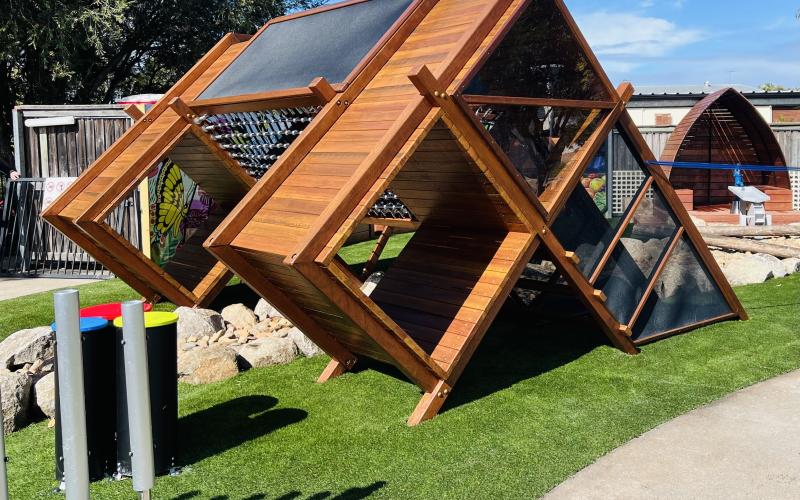
If I ask you to wait, it should give you confidence.
Adventure playgrounds
Inclusive playgrounds
Parkour playgrounds
A long playground pipeline isn’t a warning sign. It’s a vote of confidence. When a school decides it needs a new playground, the first question I often get is:“How quickly can you start?” But perhaps a better question is: “When should we begin planning?”
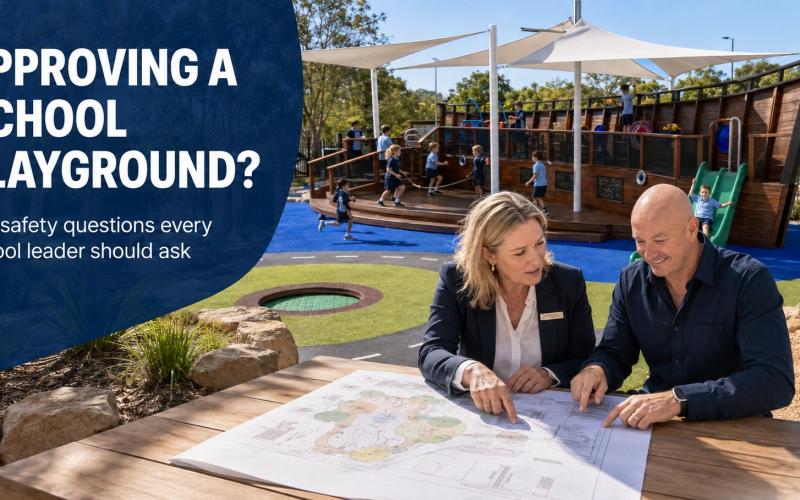
Don’t approve a new playground until you ask these questions
Adventure playgrounds
Inclusive playgrounds
Parkour playgrounds
A school playground proposal can look impressive in a presentation while leaving important issues unresolved. Before approving a design, school leaders should be confident that safety, compliance, supervision and long-term maintenance have been considered by the designer from the beginning—not added as an afterthought.
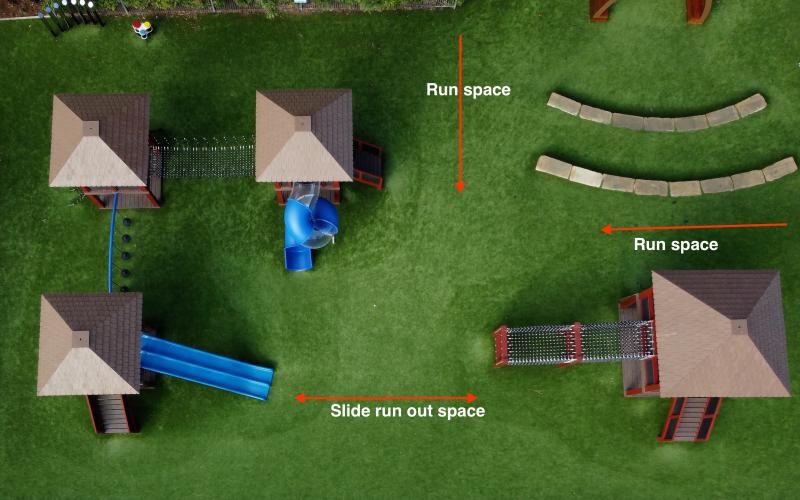
If your playground needs more teachers on duty, is it poorly designed?
Adventure playgrounds
Inclusive playgrounds
Parkour playgrounds
When school playground incidents increase, the usual response is to add another teacher to the duty roster. But is that solving the problem long term—or compensating for the design of the playground?