If your playground needs more teachers on duty, is it poorly designed?
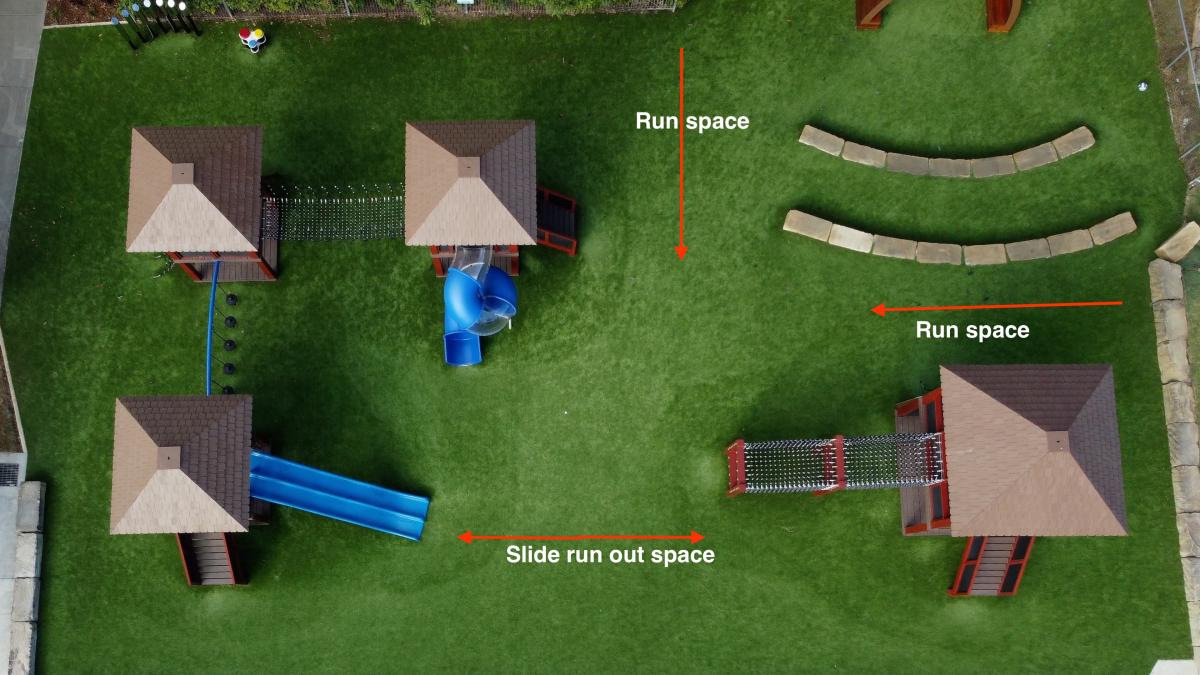
When school playground incidents increase, the usual response is to add another teacher to the duty roster.
But is that solving the problem long term—or compensating for the design of the playground?
This may be an uncomfortable question for school leaders, particularly when schools are already managing staff workloads, budgets and complex student needs.
Yet playground behaviour often does not occur independently of the environment.
Poor sightlines make supervision difficult. Narrow pathways create collisions. Popular activities placed too close together cause congestion. A lack of quiet spaces leaves overwhelmed students with nowhere to retreat. Limited play choices can lead to boredom, territorial behaviour and conflict.
In these situations, adding another staff member may help the issue in the short term—but it does not remove the cause.
A well-designed playground should support supervision rather than depend on constant adult intervention.
Teachers should be able to see across key activity areas without repeatedly moving around structures, garden beds or hidden corners. Fast-moving play should be separated from quiet and imaginative activities. Entrances, exits and circulation paths should reduce bottlenecks. Students should have enough variety to find an activity that suits their interests, abilities and emotional state.
That does not mean eliminating every hidden space.
In my view, children need opportunities for independence, imagination and retreat. The goal is not to create an empty field where every student can be watched from one position. It is to balance children’s need for autonomy with a school’s responsibility to provide a safe and manageable environment.
For school leadership teams, there is also a financial question.
What is the long-term cost of a playground that requires extra supervision every day?
An additional duty position may appear to cost nothing because the staff are already employed. But it does take teachers away from preparation, recovery and other responsibilities. Over several years, that operational burden can far exceed the cost of improving the environment.
That is I why I argue strongly that playground supervision should be considered during the design process—not after construction is complete.
Top tips
My top tips for school leadership teams is before approving a playground plan, ask the following questions.
- Where will supervising teachers stand?
- What areas will they be unable to see?
- Where are collisions or congestion most likely?
- Which spaces may become difficult to manage?
- Does every student have somewhere appropriate to play?
- Will this design reduce or increase staff intervention?
If you need help with a playground design, give Andrew a call on 07 5607 0587 or email info@everythingoutside.com.au
Related posts
Before you choose playground equipment, finish this sentence…
Adventure playgrounds
Inclusive playgrounds
Parkour playgrounds
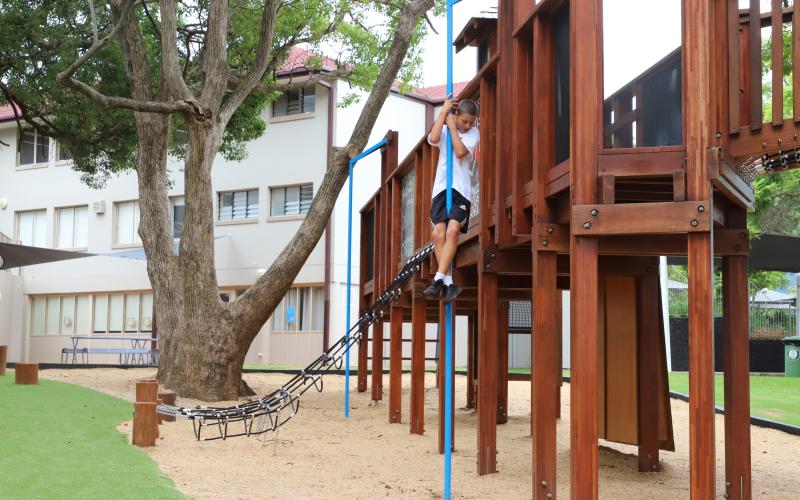
“Our new playground needs to help our students…” If you’re a principal or school business manager planning a playground, I’d start there. I totally understand the temptation to jump straight into the exciting part. Towers, slides, rope bridges, water play. Photos of impressive playgrounds. A wish list of everything you’d love to include.
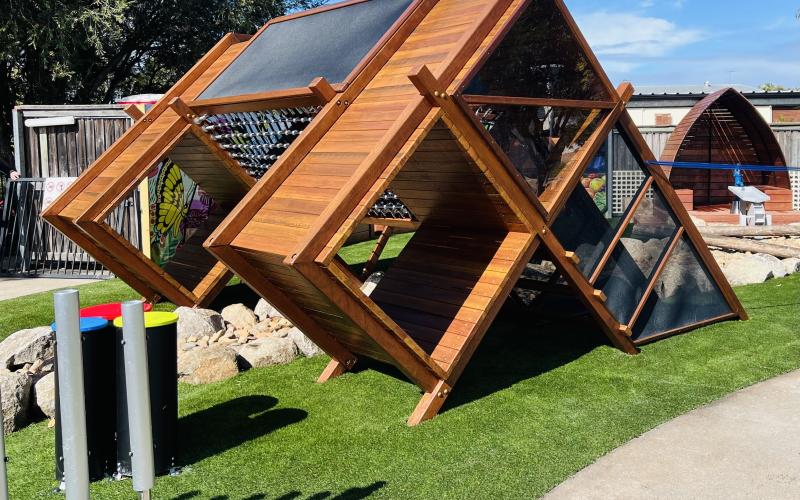
If I ask you to wait, it should give you confidence.
Adventure playgrounds
Inclusive playgrounds
Parkour playgrounds
A long playground pipeline isn’t a warning sign. It’s a vote of confidence. When a school decides it needs a new playground, the first question I often get is:“How quickly can you start?” But perhaps a better question is: “When should we begin planning?”
Don’t approve a new playground until you ask these questions
Adventure playgrounds
Inclusive playgrounds
Parkour playgrounds
A school playground proposal can look impressive in a presentation while leaving important issues unresolved. Before approving a design, school leaders should be confident that safety, compliance, supervision and long-term maintenance have been considered by the designer from the beginning—not added as an afterthought.