What does your playground teach?
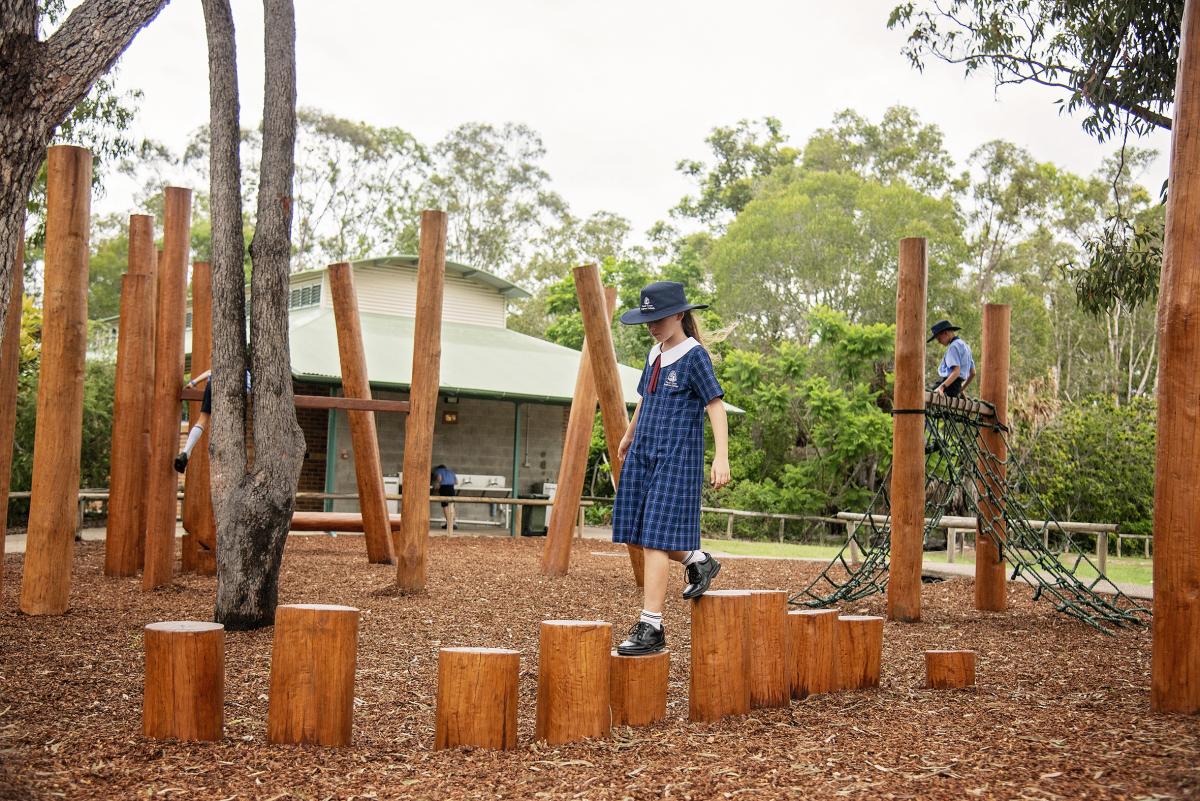
School leaders quite rightly carefully consider what their classrooms communicate about learning, culture and expectations, and there is a growing trend in Queensland that the same consideration is being applied to playgrounds.
From my 10+ years of designing and building bespoke playgrounds, I have noticed a greater understanding that a natural-looking playground is more than an aesthetic choice. It reflects a school’s understanding that learning continues beyond the classroom—and that the outdoor environment plays an important role in shaping how children think, move, connect and grow.
When children balance across timber steppers, navigate climbing nets or create their own pathways through a landscape, they are making decisions in real time. They assess risk, solve problems, adapt their movements and decide whether to try again.
These are not simply physical activities. They are early experiences of independence, resilience and self-belief.
I would argue that natural-looking playgrounds also encourage less prescriptive play. Instead of directing children towards one predetermined activity, they create possibilities. A timber structure might become a fort, a bridge, a meeting place or the starting point for an entirely new game.
That openness supports creativity, collaboration and social development. It also allows children with different interests, confidence levels and abilities to find their own way into play.
What my team is increasingly noticing, is that school leaders and business managers, now view playgrounds as part of the school’s educational infrastructure—not as a collection of equipment.
That’s because a well-designed outdoor environment supports:
- Physical development and confidence
- Imaginative and collaborative play
- Appropriate challenge and managed risk
- Greater connection with nature
- Inclusive participation
- Student wellbeing and belonging
- The school’s broader educational philosophy
Of course, a playground still needs to satisfy the practical priorities of a school: compliance, durability, supervision, accessibility, maintenance and long-term value.
In my experience, the most successful school playgrounds come when the school leadership asks and answers this question:
“What do we want children to learn, experience and feel here every day?”
When that question is asked and answered – it leads the design process and the playground becomes much more than a place used during breaks.
It becomes an expression of the school’s values—and an investment in the kind of people it hopes its students will become.
If you are looking to start a new school playground project, Andrew can be reached on 07 5607 0587 or email info@everythingoutside.com.au
Related posts
Before you choose playground equipment, finish this sentence…
Adventure playgrounds
Inclusive playgrounds
Parkour playgrounds
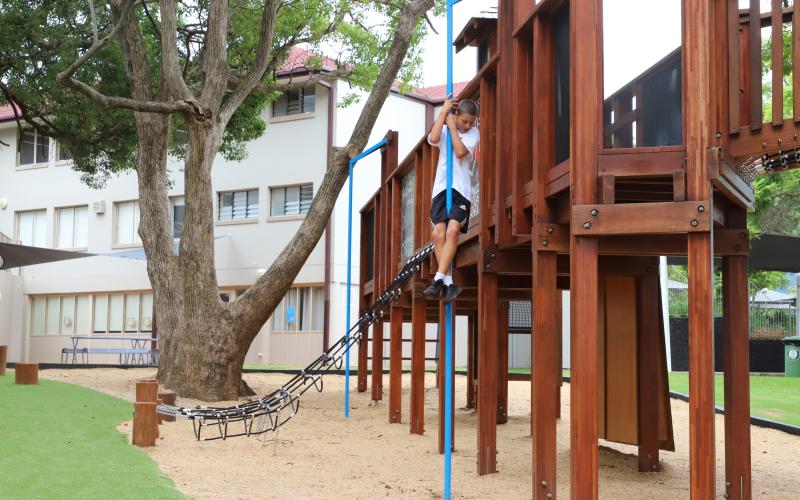
“Our new playground needs to help our students…” If you’re a principal or school business manager planning a playground, I’d start there. I totally understand the temptation to jump straight into the exciting part. Towers, slides, rope bridges, water play. Photos of impressive playgrounds. A wish list of everything you’d love to include.
If I ask you to wait, it should give you confidence.
Adventure playgrounds
Inclusive playgrounds
Parkour playgrounds
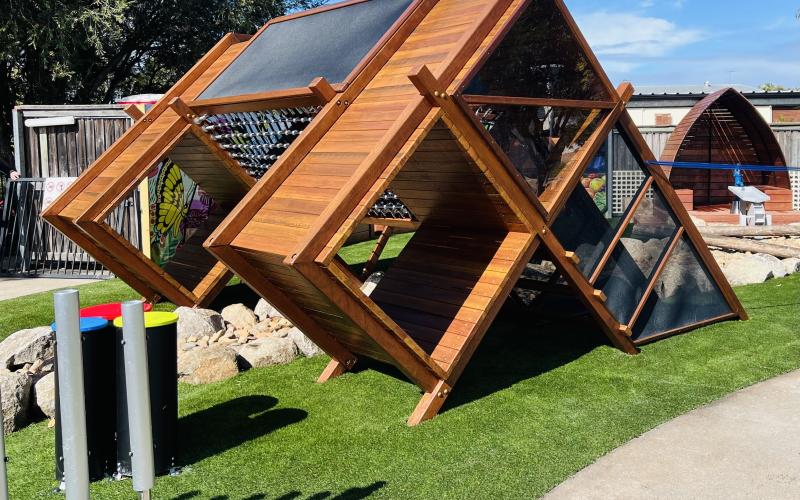
A long playground pipeline isn’t a warning sign. It’s a vote of confidence. When a school decides it needs a new playground, the first question I often get is:“How quickly can you start?” But perhaps a better question is: “When should we begin planning?”
Don’t approve a new playground until you ask these questions
Adventure playgrounds
Inclusive playgrounds
Parkour playgrounds
A school playground proposal can look impressive in a presentation while leaving important issues unresolved. Before approving a design, school leaders should be confident that safety, compliance, supervision and long-term maintenance have been considered by the designer from the beginning—not added as an afterthought.