5 mistakes schools make when planning a new playground
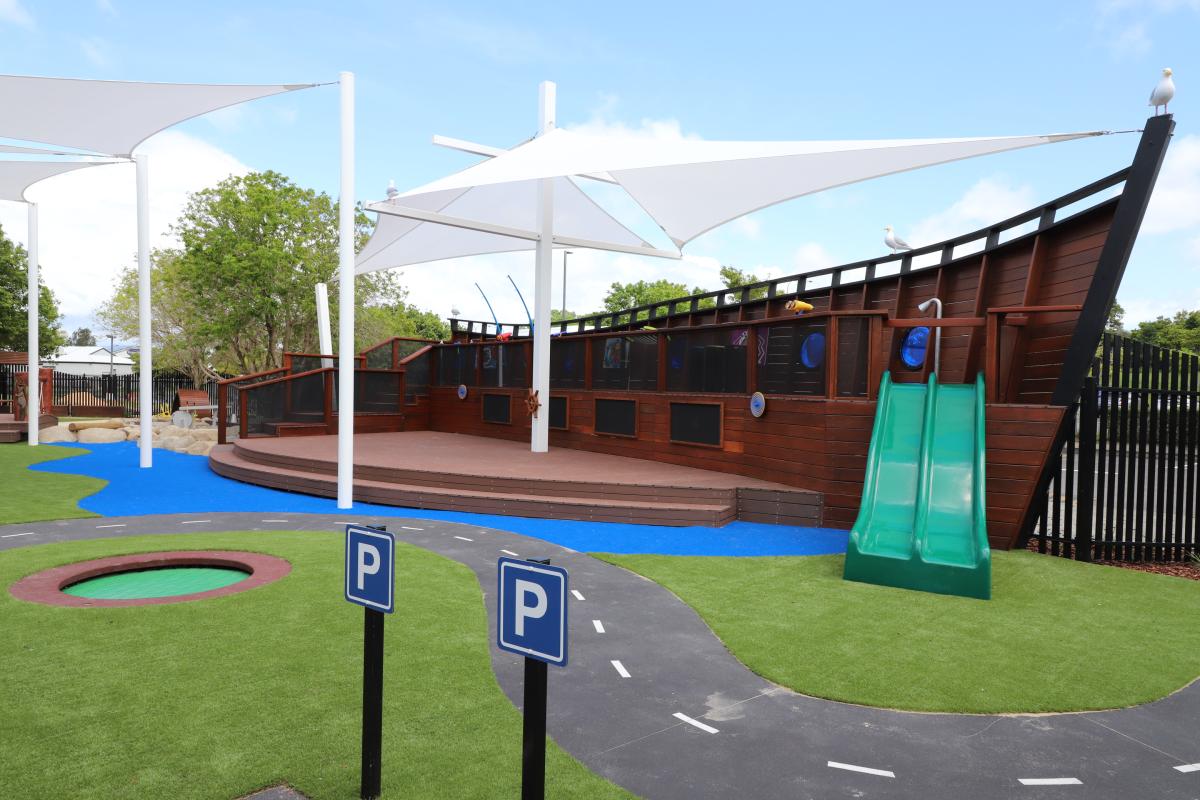
A new playground is one of the most exciting capital projects a school can undertake. Done well, it becomes a place where children build confidence, develop friendships, challenge themselves physically and create lasting memories.
However, after working with schools across Queensland and New South Wales, we’ve seen that many playground projects encounter the same avoidable issues.
Here are five of the most common mistakes we see—and how to avoid them.
1. Choosing Equipment Before Defining the Vision
It’s easy to start by browsing playground catalogues and selecting equipment that looks exciting.
But before choosing a slide or climbing frame, schools should ask a much more important question:
What do we want children to gain from this space?
Should it encourage imaginative play? Build upper body strength? Create opportunities for inclusive play? Support outdoor learning? Improve student wellbeing?
The most successful playgrounds begin with educational outcomes, not equipment lists.
2. Forgetting About Supervision
One of the biggest contributors to playground safety isn’t the equipment—it’s supervision.
Poor sightlines can create hidden areas where incidents go unnoticed. Congested layouts can make it difficult for staff to monitor students effectively.
Great playground design considers teacher visibility from every angle, allowing staff to supervise confidently while giving children the freedom to explore.
A playground that is easy to supervise is often a safer and more enjoyable place for everyone.
3. Designing for Today Instead of the Next 20 Years
A quality playground is a long-term investment.
Student numbers change. Play trends evolve. Schools grow.
Rather than designing only for current needs, consider how the playground will continue to serve future students. Flexible spaces, durable materials and thoughtful planning can extend the life and value of the investment for decades.
Thinking long term often delivers the greatest return.
4. Treating Safety Compliance as the Finish Line
Meeting Australian Standards is essential—but compliance alone doesn’t create an exceptional playground.
The best school playgrounds also consider:
- Student flow and movement
- Age-appropriate challenge
- Inclusive access
- Shade and comfort
- Accessibility
- Opportunities for different styles of play
- Ease of maintenance
Compliance provides the foundation. Great design builds on it.
5. Viewing the Playground as an Expense Rather Than an Investment
A playground is much more than a collection of equipment.
It influences how students interact, how families perceive the school and how prospective parents experience the campus during enrolment tours.
An outstanding playground can support student wellbeing, encourage physical activity, strengthen school culture and contribute to creating a memorable first impression for future families.
When viewed over its lifespan, a thoughtfully designed playground becomes one of the most valuable long-term investments a school can make.
Final Thoughts
Every school is unique, and every playground should reflect the school’s educational philosophy, students and community.
By taking the time to define clear objectives, prioritise supervision, plan for the future and focus on both compliance and educational outcomes, schools can create outdoor spaces that continue to inspire children for many years to come.
At Everything Outside, we believe the best playgrounds don’t just meet Australian Standards—they become places where children grow, explore, imagine and thrive.
Andrew can be reached on 07 5607 0587 or email info@everythingoutside.com.au
Related posts
Don’t approve a new playground until you ask these questions
Adventure playgrounds
Inclusive playgrounds
Parkour playgrounds
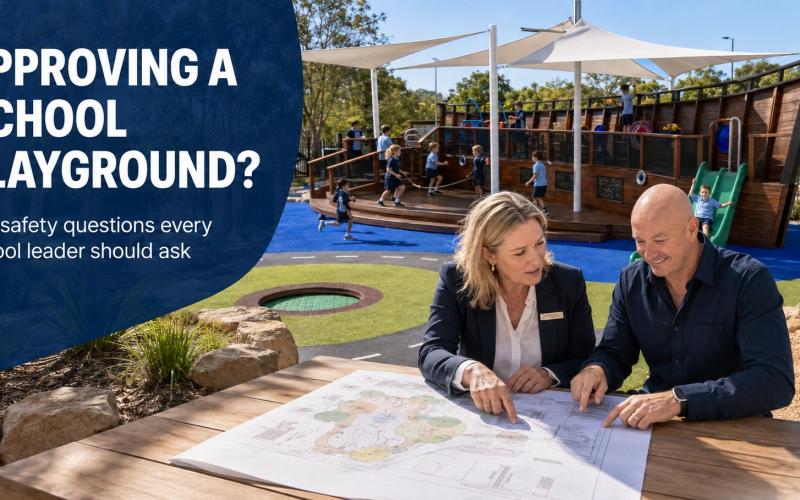
A school playground proposal can look impressive in a presentation while leaving important issues unresolved. Before approving a design, school leaders should be confident that safety, compliance, supervision and long-term maintenance have been considered by the designer from the beginning—not added as an afterthought.
If your playground needs more teachers on duty, is it poorly designed?
Adventure playgrounds
Inclusive playgrounds
Parkour playgrounds
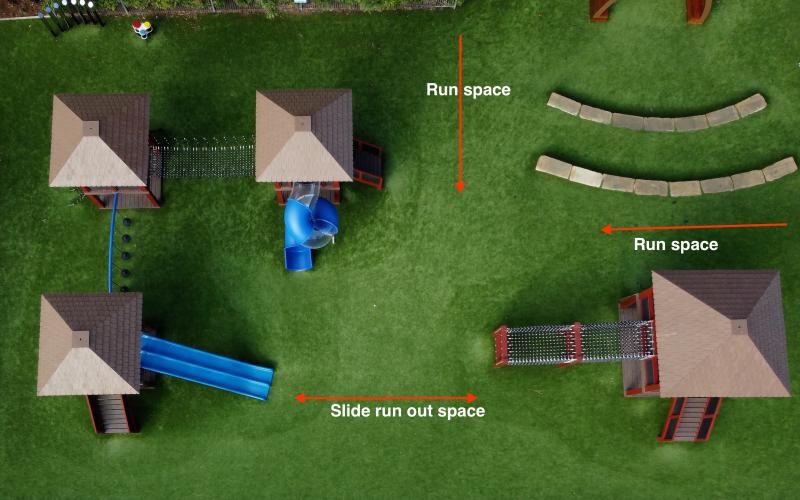
When school playground incidents increase, the usual response is to add another teacher to the duty roster. But is that solving the problem long term—or compensating for the design of the playground?
Could the playground be the reason a parent chooses your school?
Adventure playgrounds
Inclusive playgrounds
Nature play
Outdoor classrooms
Parkour playgrounds
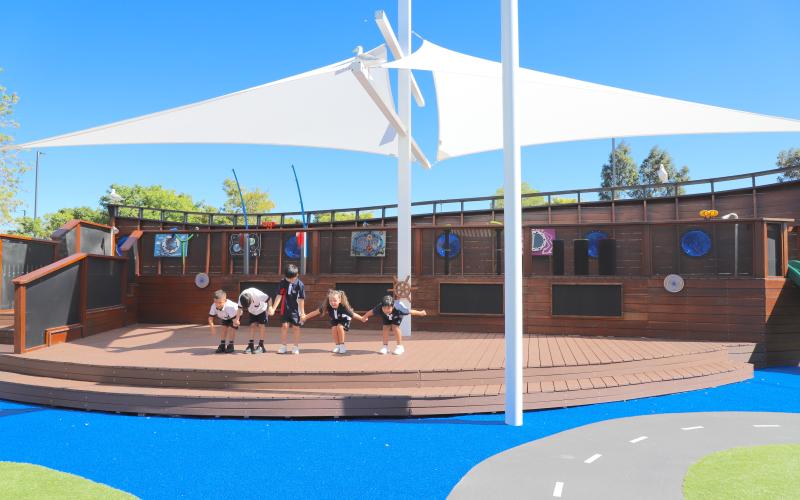
When parents are comparing schools for their prospective Prep child, many of the fundamentals can appear similar. Strong academic programs. Caring teachers. Clear values. Welcoming communities. So, what ultimately swings their decision?