What your outdoors say about your school
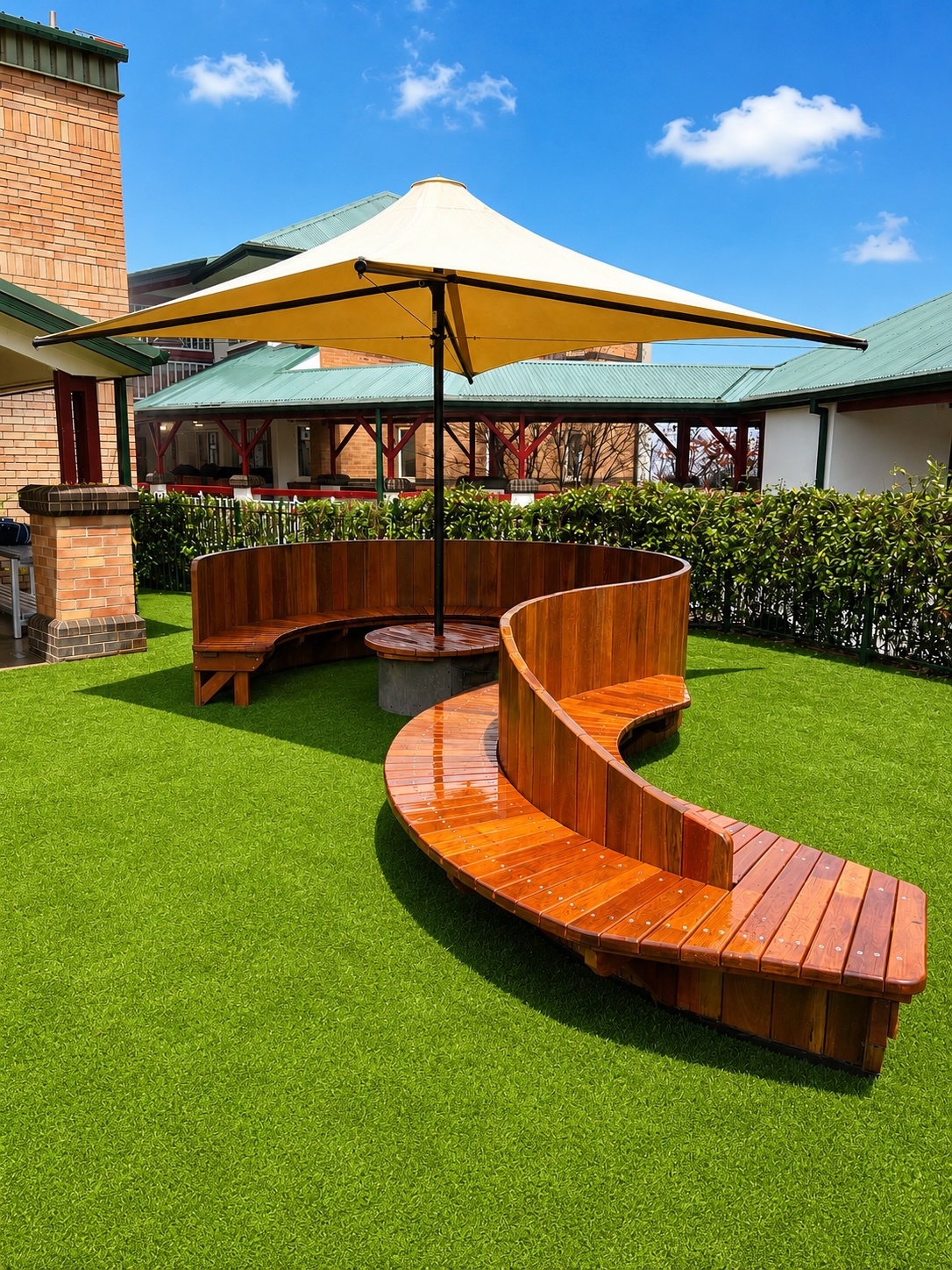
When schools think about outdoor furniture, the conversation often starts with practical considerations.
How many students does it need to seat? Will it withstand the weather? Is it low maintenance? Does it fit within budget?
These are all important questions. But they overlook something equally important.
Outdoor furniture communicates.
It tells students, families, staff, and visitors what a school values. It shapes first impressions. It influences how people interact with a space. And when thoughtfully designed, it can become a physical expression of a school’s culture and identity.
The Difference Between Furniture and Place-Making
Many schools purchase outdoor furniture as a standalone item.
A table here. A bench there.
While functional, these pieces often do little to create a meaningful sense of place.
Bespoke outdoor furniture is different. It is designed specifically for a school’s environment, community, and aspirations. Rather than simply occupying a space, it helps define it.
The most successful school environments are those where every element feels intentional. Students may not consciously recognise this, but they experience it every day.
They understand when a school has invested in creating spaces where they feel welcome, valued, and connected.
A Case Study in School Identity
At Toowoomba Anglican School, the brief was about much more than providing seating.
Located at the front of the campus, the new courtyard would become one of the first spaces encountered by prospective families, visitors, and members of the school community.
The courtyard needed to serve multiple functions. It would support outdoor learning, provide a gathering space for yarning circles, and operate as a practical waiting area for students and families.
But perhaps most importantly, it needed to reflect the school’s commitment to excellence.
The resulting bespoke timber seating was designed specifically for the space. The flowing curves create a sense of movement and connection, while the circular forms encourage conversation, inclusion, and collaboration.
Rather than feeling like furniture placed within a courtyard, the seating became the courtyard.
The space now functions as an outdoor classroom, a community gathering place, and a welcoming arrival experience—all while making a strong statement about the school’s attention to detail and commitment to quality.
What Students Learn from Their Environment
School environments teach.
Not through formal lessons, but through the messages they send every day.
When students encounter carefully crafted outdoor spaces, they learn that quality matters. They learn that their environment is worth caring for. They learn that gathering, conversation, and connection are valued within their community.
These lessons are subtle, but they are powerful.
The spaces we create shape the behaviours and experiences that occur within them.
A circular gathering space encourages discussion. A shaded courtyard invites students to stay longer. Comfortable seating creates opportunities for connection that might not otherwise occur.
Design influences culture.
First Impressions Matter
For many independent and faith-based schools, enrolment growth depends on creating confidence in prospective families.
Parents often make decisions based on far more than academic results. They look for signs that a school is caring, aspirational, well-managed, and invested in its students.
Physical environments play a significant role in communicating those qualities.
A thoughtfully designed courtyard, gathering space, or outdoor learning environment tells families that the school pays attention to detail. It demonstrates pride, care, and a commitment to creating exceptional experiences for students.
Long before a conversation begins, the environment is already communicating.
Beyond Functionality
The most successful outdoor spaces are never just functional.
They create opportunities for learning. They encourage connection. They strengthen community. They become landmarks that students remember long after they leave school.
Bespoke outdoor furniture allows schools to move beyond standard solutions and create environments that are unique to their community and values.
Because ultimately, great school design isn’t about furniture.
It’s about creating places that reflect who you are, what you stand for, and the experience you want every student and family to have when they walk through your gates.
At Everything Outside, we believe outdoor environments should do more than serve a purpose. They should tell a story about the school they belong to.
Andrew can be reached on 07 5607 0587 or email info@everythingoutside.com.au
Related posts
Could the playground be the reason a parent chooses your school?
Adventure playgrounds
Inclusive playgrounds
Nature play
Outdoor classrooms
Parkour playgrounds
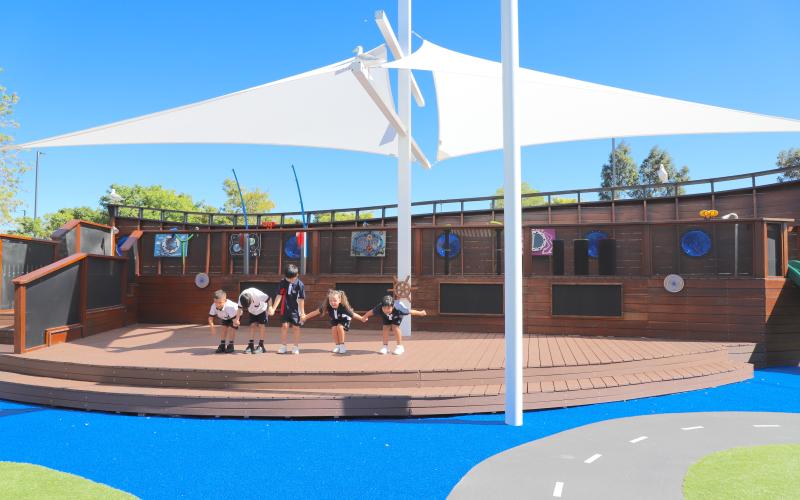
When parents are comparing schools for their prospective Prep child, many of the fundamentals can appear similar. Strong academic programs. Caring teachers. Clear values. Welcoming communities. So, what ultimately swings their decision?
Could grant funding help your school build its next playground?
Adventure playgrounds
Inclusive playgrounds
Nature play
Outdoor classrooms
Parkour playgrounds
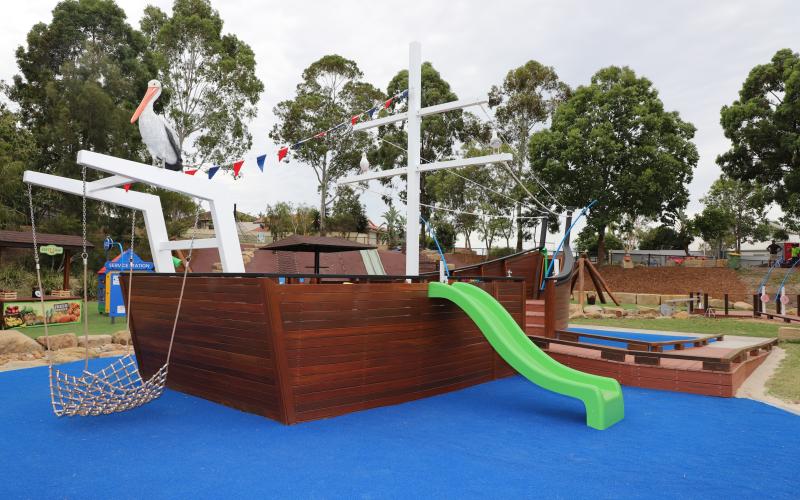
For many schools, the vision for a better playground already exists. The challenge is finding the funding to make it happen. Across Queensland and New South Wales, several government and community grant programs can contribute towards playgrounds, inclusive play spaces, outdoor learning areas and associated infrastructure. However, schools often miss these opportunities because they begin looking for funding before the project has been properly defined.
What does your playground teach?
Adventure playgrounds
Inclusive playgrounds
Nature play
Outdoor classrooms
Parkour playgrounds
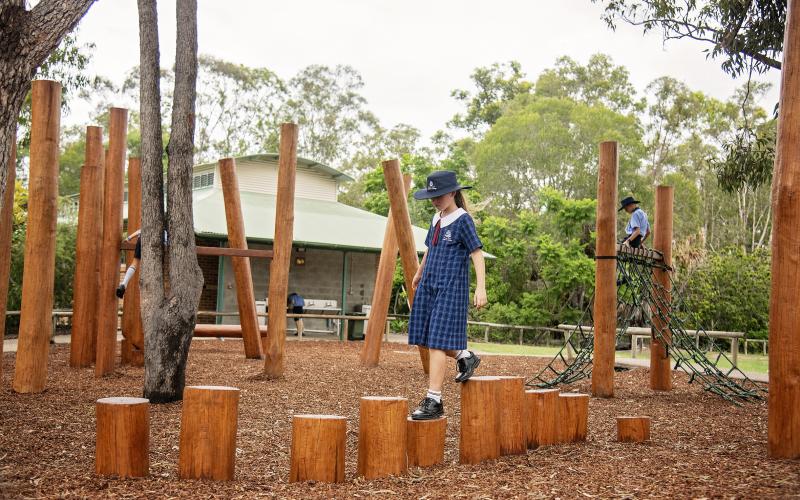
School leaders quite rightly carefully consider what their classrooms communicate about learning, culture and expectations, and there is a growing trend in Queensland that the same consideration is being applied to playgrounds.